
The Craft and Science Behind Beer Foam

Have you ever given thought to what those delicate bubbles at the top of our beer bring to your beer-drinking experience? Let's dive into the role of foam in beer.
A Tale of Bubbles and Beer
When beer is poured, the trapped carbon dioxide forms bubbles, creating that familiar, inviting layer of foam. However, this foam does more than just decorate your pint glass. Each time a bubble bursts, it releases aroma particles that enhance your beer's smell and, in turn, its taste. But, different beers produce different levels of foam, influenced by the brewing process and its ingredients.
The Foam Forming Factors
Creating the perfect foam is indeed a bit of a science experiment. Proteins from malted grains, especially those high in proteins and dextrin, like crystal malts and wheat malt, and bittering hop compound, join forces to construct a foam with longevity and aesthetic appeal. This combination strengthens the bubbles, making them persist longer and enables the foam to cling to your glass in an effect known as "lacing."
Interestingly, various other components can also augment the quality of the foam. The presence of certain metals, such as zinc, can have a positive effect. Dark beers, rich in complex sugars and high in Melanoidin (a protein polymer), usually exhibit superior foam. And, the type of gas used in the beer can alter the foam too, with nitrogen infusing a creamier texture, much like the head on a classic Guinness.

The Foam Foes
Regrettably, not all aspects of beer play well with foam. Beers with a higher alcohol content often have less foam, as alcohol tends to break it down. Residual cleaning products on glassware can also harm the foam. Even the oils from the food you enjoy alongside your beer can impact the foam's quality. This underscores the importance of clean glasses in the beer-serving process.
Foam: More than Meets the Eye
Beyond adding visual appeal to your pint, foam significantly improves your overall beer-drinking experience. Each time a bubble pops, it releases aroma particles that give you a sneak peek of the beer's flavor, setting the stage for your first sip. The texture of the foam can also lend a smoother, more luxurious mouthfeel to the beer. In fact, it's important to note that the foam is not separate from your beer - it is your beer, just in a different form.
So, the next time you are handed a glass of beer brimming with foam, don't wait for the foam to subside before you take your first sip. And forget about that old college trick of using the oils from your nose to reduce the foam. Instead, get your lips on the glass as quickly as possible to enjoy those first few sips, where the aromatics are strong and the texture of drinking the foam in conjunction with the beer creates a delightful drinking experience.
The aim here is to underscore the importance of the foam as an integral part of the beer itself and to discourage practices that might detract from the full beer-drinking experience.
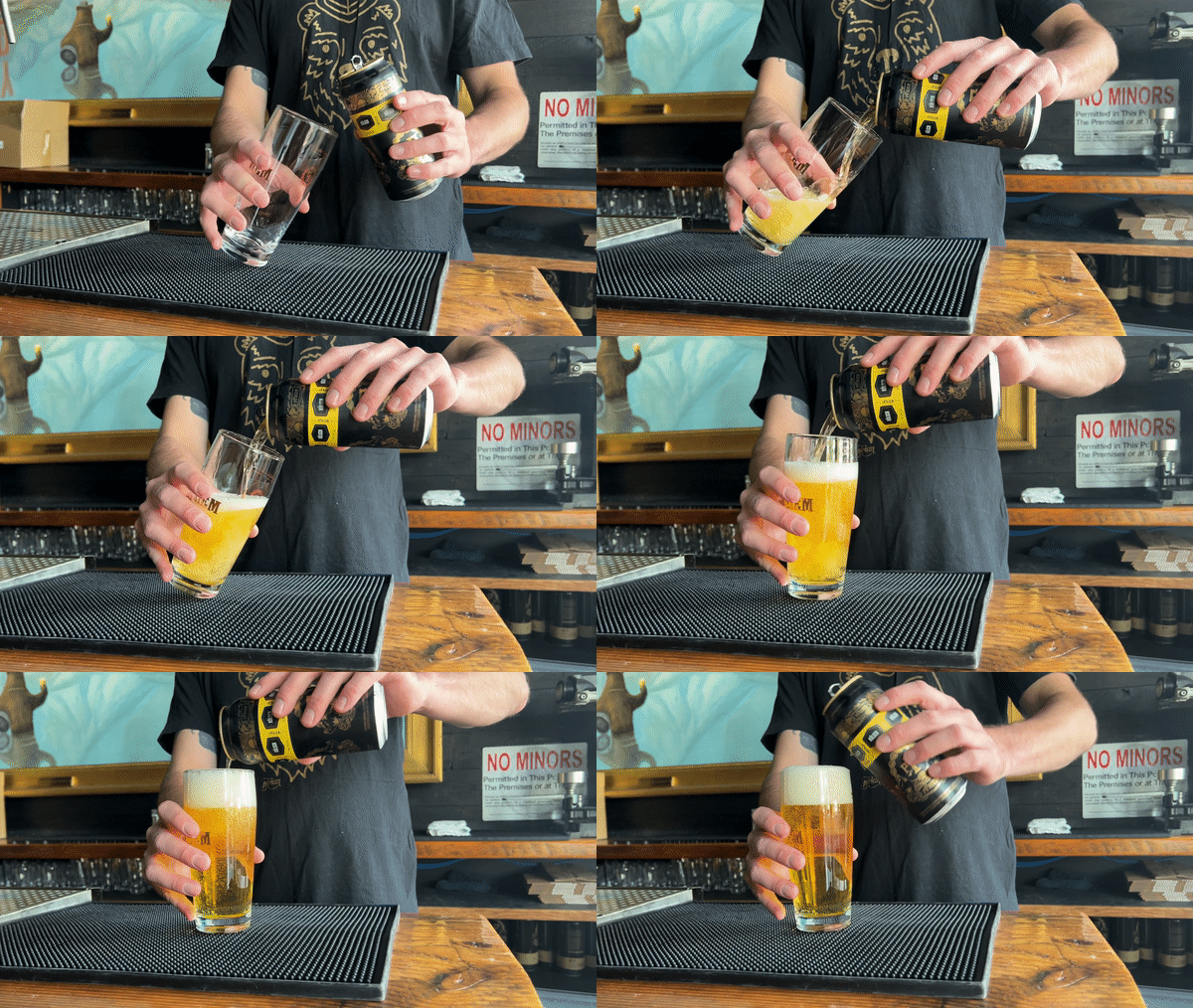
Achieving the Perfect Pour
So now that we've explored the science behind the foam and its role, how do you achieve the perfect pour and the ideal foam at home?
Start by tilting your glass at a 45-degree angle. Pour your beer, targeting the middle of the slope of the glass. When your glass is about halfway full, straighten it and continue to pour in the center. This technique helps control the formation of the foam, giving you a just-right head on your beer - not too much, and not too little. Remember that the glass you use can influence head formation and retention. A tall, narrow glass is often a good choice as it reduces the ability for CO2 to escape.
The next time you're savoring a craft beer, take a moment to admire the foam on top. It's working harder than you might imagine to make every sip a memorable one!
Share This!


