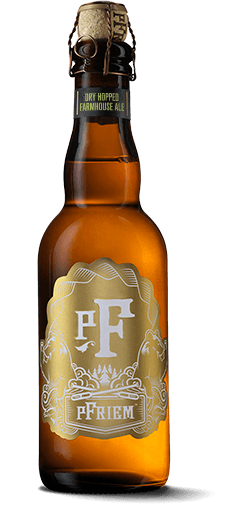
Dry Hopped Farmhouse Ale
ABV 6.2%
IBU 25
FLAVOR PROFILE
Gooseberry, Mango, Lime Zest
AVAILABILITY
Limited
INGREDIENTS
Malt
To Thee Pilsner, Rahr White Wheat, Weyermann Spelt
Hops
Krush, Motueka, Nelson, Tettnang
Yeast
Dupont

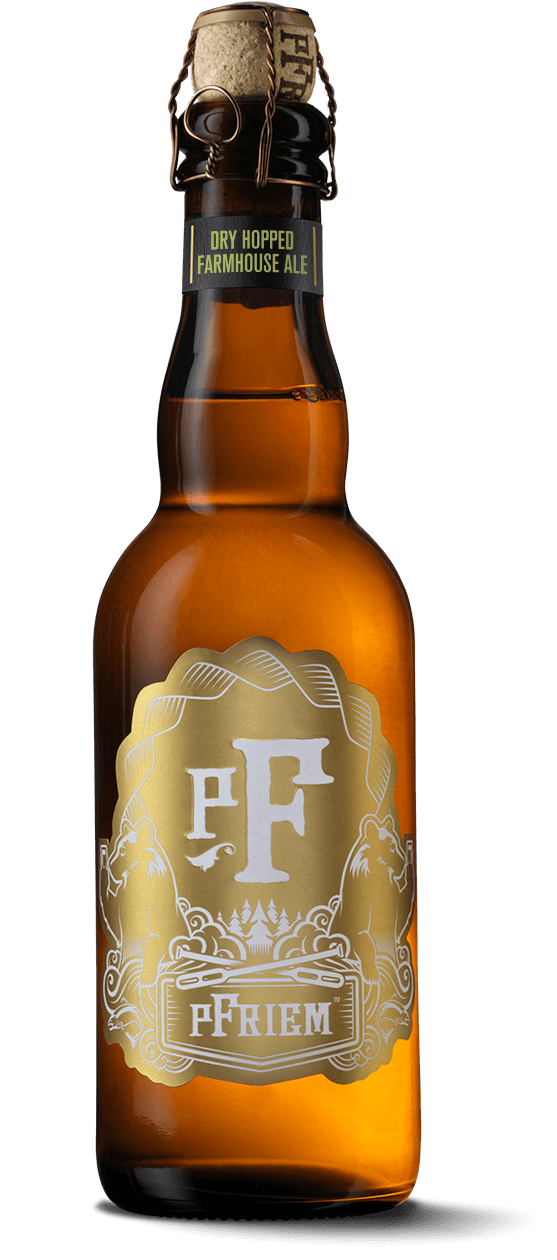
Gooseberry, Mango, Lime Zest
Limited
To Thee Pilsner, Rahr White Wheat, Weyermann Spelt
Krush, Motueka, Nelson, Tettnang
Dupont
The "Farmhouse Ale"—historically known as Saison in Wallonia or Bière de Saison in Liège—began as a seasonal provision. Unlike the sweet, malt-heavy Belgian ales that gained international fame in the mid-20th century, the original farmhouse beers were defined by their utility and attenuation. Brewed during the winter months to be consumed by farmhands in the summer, these beers were required to be bone-dry, highly carbonated, and sufficiently hopped to survive the warmer months without spoiling.
Historically, these ales were not restricted to barley. The "Spelt Beers" of Liège were famous for their use of Spelt and Wheat, grains that provided a rustic, bready complexity and a sturdy, rocky head of foam. While many commercial Belgian breweries moved toward lower bitterness and higher residual sugar in the 1900s, the "farmhouse" spirit was preserved by a few dedicated producers who valued dryness and yeast-driven character.
The modern "extra-hoppy" farmhouse movement owes much of its momentum to Brasserie de la Senne in Brussels. Founded by Yvan De Baets—a student of brewing history—De la Senne rejected the trend of cloying Belgian ales. De Baets' research into 19th-century records revealed a lost tradition of high-bitterness and dry-hopping in Belgian brewing.
At pFriem, we mimic this storied Belgian foundation while evolving the style with the vibrant hop terroir of the Pacific Northwest and the Southern Hemisphere. Our Dry Hopped Farmhouse Ale serves as a bridge between the rustic barns of Wallonia and the "New School" hop varieties of today. We utilize a traditional base of Pilsner Malt for a crisp, clean canvas. To honor the historical "rustic" texture of Liège ales, we incorporate Wheat and Spelt. These grains provide the characteristic haze, a slight nutty tang, and a soft, pillowy mouthfeel that balances the beer's high attenuation. We incorporate "New School" varieties that redefine the aromatic profile: Krush (HBC 586): Adds a modern layer of intense mango, stone fruit, and citrus, Motueka: A New Zealand standout that brings bright lime zest and tropical sweetness, Nelson Sauvin: Known for its "Sauvignon Blanc" character, adding notes of crushed white grapes and gooseberry. By marrying the aggressive dry-hopping techniques of American craft brewing with the dry, spicy yeast profile and heritage grain bill of Belgium, we create a beer that is both a historical tribute and a modern innovation.
This ale pours a luminous, hazy gold with a towering white foam, offering an immediate aromatic punch of gooseberry, tropical mango, and bright lime zest interwoven with a classic peppery Belgian spice. The palate is defined by the rustic, nutty complexity of spelt and wheat, providing a soft texture that perfectly balances the vibrant "new school" flavors of white grape and crushed stone fruit. Exceptionally dry and effervescent, it concludes with a crisp, clean bitterness and a refreshing minerality that makes each sip as lively as the last.
Great with salty and fatty hors d'oeuvres such as prosciutto, jamon serrano and gravlax. Great with pastas such as capellini alla cecca, spaghetti agli e olio, and gnocchi con pesto di Levanto. Delicate fish with a squeeze of lemon or simply prepared fattier fish: sardines, fresh anchovies and Spanish mackerel. Bitter and hearty greens such as Belgian endives, terviso, and radicchio. Raw oysters, steamed clams, and of course mussels and frites.


